By Murtala Muhammad
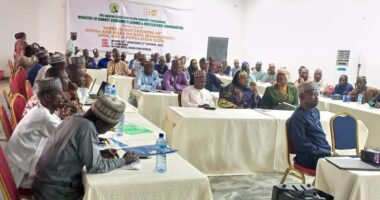
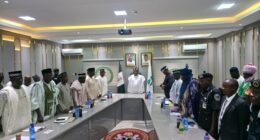
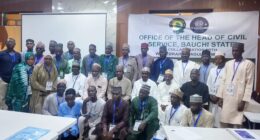
Panelists at the National Health Fellows (NHF) 2.0 physical interview session in Bauchi state have stressed the need for applicants to demonstrate genuine capacity and commitment to improving negative health indicators across communities.
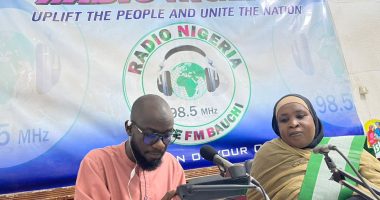
They gave the charge while interacting with Radio Nigeria shortly after overseeing the screening exercise for candidates from the twenty local government areas held at the Public Health Emergency Operation Centre in Bauchi.
The NHF programme, an initiative of the Federal Ministry of Health and Social Welfare, executed by the SWAP Coordinating Office, seeks to build a new generation of health professionals equipped with leadership, policy and implementation skills.
The Panelists noted that the second cohort of the programme requires individuals capable of strengthening community health systems, improving surveillance mechanisms and promoting behavioural change to enhance healthcare delivery nationwide.
One of the panelists and SWAP Consultant with the Bauchi State Ministry of Health and Social Welfare, Ibrahim Muhammad, described the session as crucial in identifying applicants who can drive meaningful change in their communities.
He explained that the NHF programme, which commenced last year, is now in its second phase, noting that shortlisted candidates must show clear understanding of local health challenges and demonstrate readiness to address them.
According to him, sixty applicants were shortlisted for the interviews to compete for the twenty available positions across the twenty local government areas of the state, focusing on four thematic areas: leadership, motivation, teamwork and ethics.
Applicants including Bashir Inuwa Ahmad from Toro LGA said the interview served as an eye opener, noting that if employed, he would work closely with communities to strengthen health systems and improve disease surveillance.
Similarly, Shamsiyya Ahmed Masu from Ganjuwa local council expressed optimism that awareness creation and sensitisation would assist in changing attitudes towards good health practices, particularly in hard-to-reach communities.
Another applicant, Hamza Abdulkadir from Misau LGA, said emerging diseases require robust community education strategies, stressing that public awareness remains vital in correcting misconceptions about health-related issues.
A traditional institution representative and panelist, Marafan Bauchi, Alhaji Abdullahi Yakubu Marafa, expressed satisfaction with the conduct of the applicants, noting that most of them demonstrated strong motivation and understanding of community health needs.
He urged them to remain hopeful and resilient, adding that success in community health improvement is often achieved through consistency, dedication and a willingness to confront challenges.
The nationwide interview exercise, which commenced on Monday, 12th January, according to programme officials, is expected to conclude on 16th January, 2026.