The Social Behavioural Change activities being carried out by the Fathers for Good Health (F4GH) support group in Misau Local Government Area of Bauchi State have been described as excellent, owing to their positive impact on male parents and the transformation of their negative perceptions about childhood immunisation and healthy practices.

This affirmation came during a field trip by health reporters, organised by the United Nations Children’s Fund (UNICEF), Bauchi Field Office, to communities in Misau Local Government to assess the performance of male champions at the grassroots level.
Fathers for Good Health, is a male-dominated volunteer group encouraging fathers to support their partners in attending antenatal and postnatal care, ensuring hospital deliveries and routine immunisation, and promoting hygiene practices to protect children against preventable diseases.
During the visit to Misau town, Radio Nigeria interviewed Malam Turaki Goje of Gundari Ward, who said he used to reject routine and seasonal immunisation until he was recently approached by 27-year-old Alkasim Bashir, a member of the Fathers for Good Health group, for a talk on child health and the benefits of vaccination.
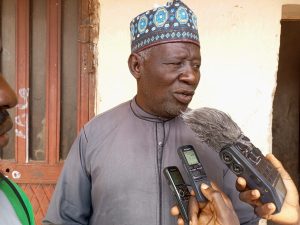
Malam Goje disclosed that Alkasim made several visits to engage him in discussions about immunisation and the consequences of non-compliance, despite his initial resistance to the outreach efforts.
He said, “The young man constantly came to my house and other places I visited, and though I kept chasing him away, one day I listened. My perception changed completely when he expressed concern about the future of these unimmunised children—it was deeply moving.”
Malam Goje stated that since that encounter, Bashir had convinced him, and he now ensures his children receive all recommended immunisations. He also resolved to join the group in encouraging defaulters to embrace similar change.
In Jar Kasa community, a mother of two, Fatsuma Adamu, told Radio Nigeria that her husband initially resisted vaccination for their children, citing cultural beliefs, but later allowed it after engaging with members of the support group.
Fatsuma explained that following her husband’s discussion with the group, he permitted her to visit the community health facility for their last child’s immunisation, commending the volunteers for their persistence and dedication.
She expressed joy that, unlike her first child, her youngest, Aisha, is healthy and seldom suffers illnesses like malaria and diarrhoea, attributing this improvement to regular immunisation and better healthcare access.
On strategies used to win over resistant parents, Alkasim Bashir explained that the group engages in interpersonal conversations, educating them on the benefits and effectiveness of immunisation and the dangers of neglecting it.
Another member, Balarabe Musa, a polio survivor, said he uses his personal story to encourage other fathers to prioritise their children’s right to health, education and shelter, as part of his advocacy for social behavioural change.
Musa expressed gratitude to his parents for enrolling him in school, noting that he attained a Master’s degree due to their support, and might have ended up a street beggar without their intervention.
By Murtala Muhammad