By Abubakar Baba Ahmad
Bauchi State Government has launched the Gender in Education Policy 2026-2030 and Guidelines for School Re-entry of Married and Pregnant Adolescent Girls with a commitment to an inclusive education system for every learner particularly girls and other vulnerable groups.
The documents seek to address some of the longstanding barriers that prevent children, particularly girls, from achieving their educational aspirations such as poverty, early marriage.
The documents were formulated by the State Ministry of Education through the Adolescent Girls Initiative for Learning and Empowerment AGILE Project in collaboration with the Young Leaders Network, United Nations Children’s Fund, UNICEF among others.
Unveiling the Policy documents, the Chairman State Steering Committee and Commissioner of Education, Alhaji Abdulkadir Ibrahim said poverty, early marriage, adolescent pregnancy, insecurity, inadequate school facilities and discriminatory practices continue to affect enrolment, retention and completion particularly among the girl child.
“We recognise that poverty, early marriage, adolescent pregnancy, insecurity, inadequate school facilities and discriminatory practices continue to affect enrolment, retention and completion. These are challenges we must confront through deliberate policies, sustained investment and collective responsibility”, He stated.
Abdulkadir Ibrahim expressed commitment to translating the policy provisions into practical changes across schools and communities through dissemination and implementation of the policy across all the 20 LGAs, adoption and publicisation of the School Re-entry Guidelines by 2027 across schools, progressive allocation of resources for gender-responsive education from 2% of the education budget in 2026 to 5% by 2030.
“We will strengthen coordination, monitoring and reporting through the structures established in the implementation framework. Our progress must be measured not simply by activities conducted, but by improvements in school participation, learner safety, retention, re-entry and completion”.
“Let me emphasise that this policy is not a policy for girls alone. It is a commitment to an inclusive education system that serves every learner while responding to the particular disadvantages experienced by girls and other vulnerable groups”, Abdulkadir Ibrahim assured.
Earlier, the State Project Coordinator AGILE, Hajiya Ladi Hamma said the policy documents align with the projects goals of improving girls’ access to secondary education, enhancing learning opportunities, provision of life skills, strengthening safe spaces, and addressing barriers that prevent girls from achieving their educational aspirations.
“Through AGILE, we recognise that keeping girls in school and supporting them to succeed requires the involvement of the entire community. Parents and caregivers must encourage girls’ education; teachers must provide supportive and inclusive learning environments; school administrators must promote safety and equal opportunities; traditional and religious leaders must help address harmful practices; and government institutions must ensure that appropriate systems, resources, and safeguards are in place”, Hajiya Ladi stressed.
She called on stakeholders in the education sector and beyond to take ownership of the documents, familiarise themselves with the policy and integrate the relevant provisions into their plans to serve as a practical instrument towards improving educational access, and learning outcomes across Bauchi State.
“effective implementation will require sustained advocacy, capacity building, regular monitoring, reliable data, adequate funding, and transparent accountability mechanisms. We must collectively ensure that the policy moves beyond this launch to become a practical instrument for improving educational access, safety, participation, retention, completion, and learning outcomes across Bauchi State,” the State AGILE PC advised.
In an overview, the Executive Director Young Leaders Network YLN, Seun Onarinde said the document seeks to ensure a gender-responsive, inclusive, equitable and empowering education system for all learners irrespective of their educational level.
Onarinde listed some of the policy targets to include cutting girls’ dropout to 50 percent, gender parity in enrolment and completion, reduction in adult female illiteracy by 25 percent, as well as establishment of gender desks in all public tertiary institutions, and allocation of 35 percent of senior leadership positions for women in the tertiary institutions by 2030.
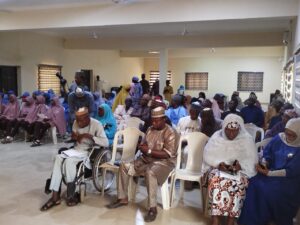
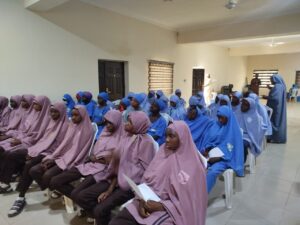
The event saw the official unveiling of the documents and presentations on the importance of girl child education by some of the female students in attendance.